#7
Jimami Tofu
Should this item rank higher or lower?
–
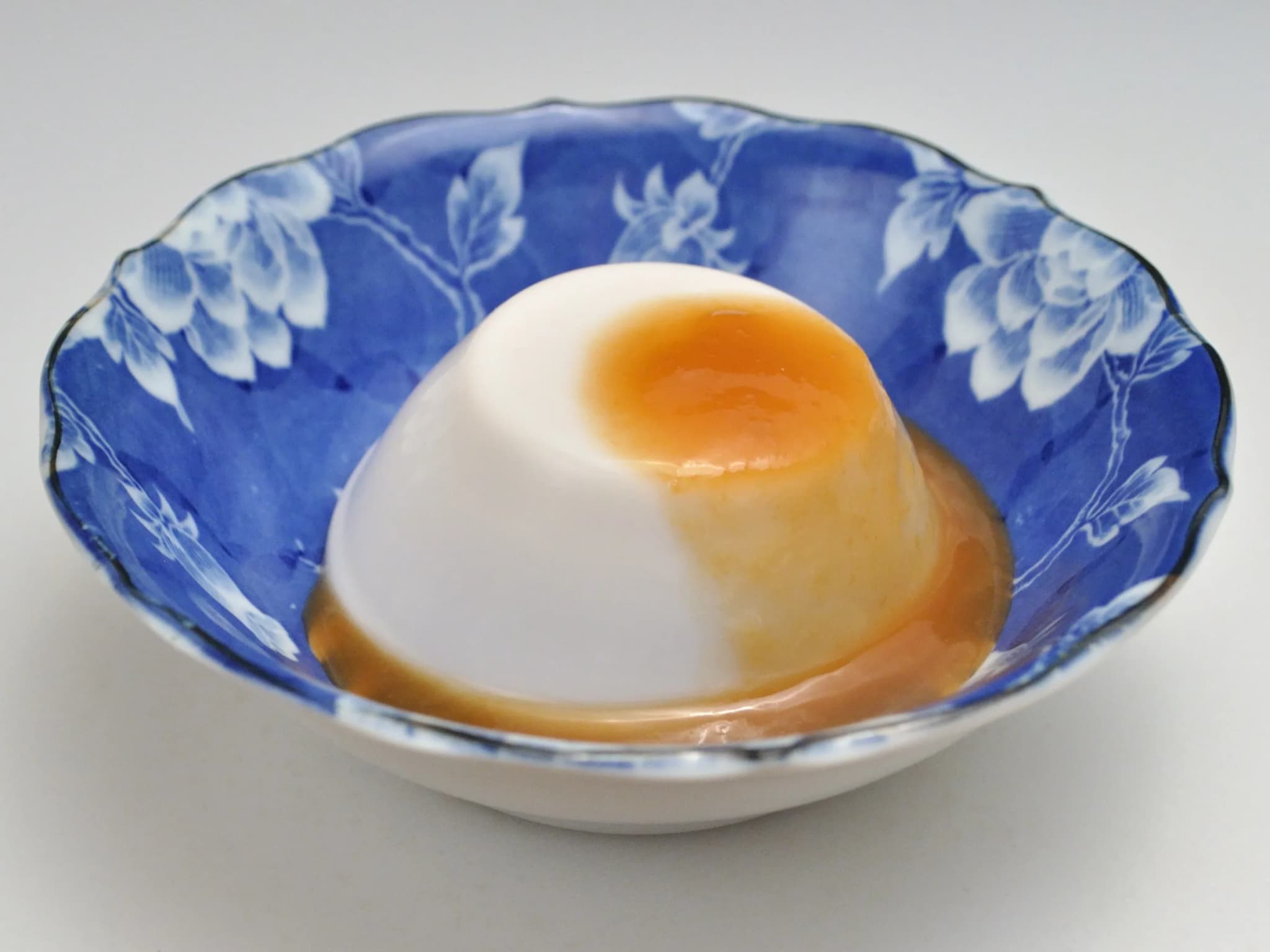
**Overview** Jimami tofu has a smooth, slightly stretchy texture and a mild peanut flavor. The traditional process extracts liquid from peanuts and heats it with starch until it can set in a mold. MAFF describes the dish’s place in celebrations and memorial meals, when peanuts were regarded as a special ingredient. At a restaurant, try a bite with a little of the sauce. The contrast between the smooth piece and the seasoning is the reason to give it its own moment at the table. **Key metrics** - Raw peanuts in reference batch: 1 cup - Starch in reference batch: ½ cup - Stirring in reference method: About 30 min **Pros** - A small side is enough to understand the texture. - It tells a different story from Okinawa’s firm soybean tofu. - The light portion can fit a meal with rich pork dishes. **Cons** - It contains peanuts. - The sauce ingredients vary. - Some packaged versions may taste sweeter than a restaurant plate. **Best for** Choose it as a shared starter if everyone at the table can eat peanuts and wants to compare Okinawa’s tofu preparations. **Things to watch out for** Ask what is in the sauce as well as the tofu. The MAFF example uses dashi and soy sauce.
About Jimami Tofu
Jimami tofu has a smooth, slightly stretchy texture and a mild peanut flavor. The traditional process extracts liquid from peanuts and heats it with starch until it can set in a mold. MAFF describes the dish’s place in celebrations and memorial meals, when peanuts were regarded as a special ingredient. At a restaurant, try a bite with a little of the sauce. The contrast between the smooth piece and the seasoning is the reason to give it its own moment at the table.
Also Ranks On
View canonical entity profile (3 lists) →Photos (1)
Comments on "Jimami Tofu"
Be the first to share your thoughts!
Have a take on this ranking?
Save your rankings and see how you compare. Comments are how the argument actually happens here. Posting one needs a free account — it takes about a minute.
No comments yet.
The first comment sets the terms of the argument.